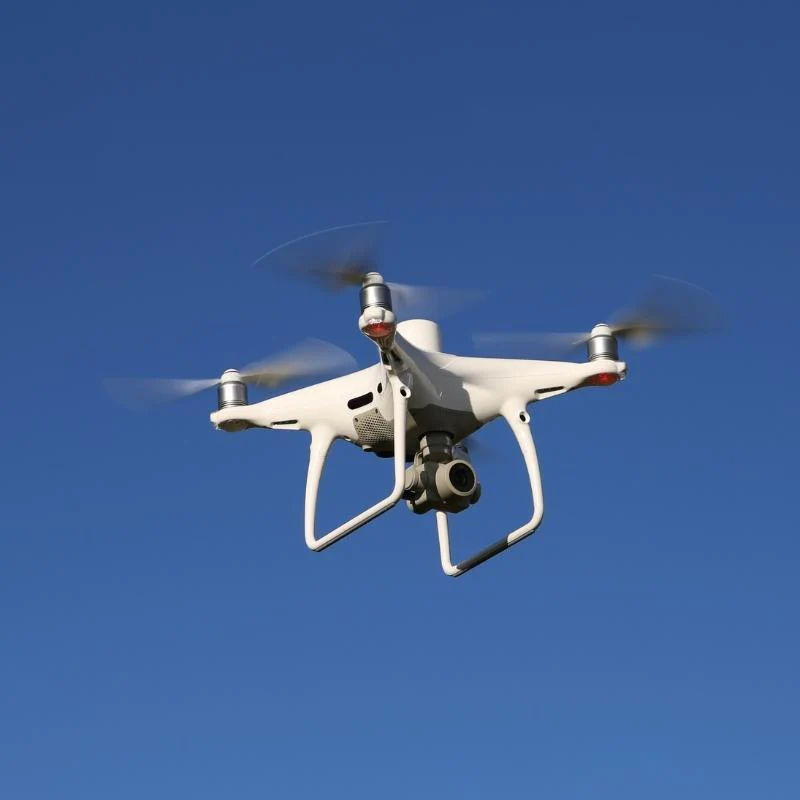
DJI Phantom 4

Türkiye DJI Servisi: Phantom 4 RTK IMU Kalibrasyonu Nasıl Yapılır?

DJI Phantom 4 RTK IMU kalibrasyonunda önce drone ve kumanda modelini, kullanılan uygulamayı ve ekrandaki uyarının tam metnini doğrulayın. Bu rehberde güvenli hazırlık ve kaynak seçimini açıklıyoruz.

Yalnızca başka bir konuma gitmiş olmak IMU kalibrasyonu gerektiğini göstermez. Kalibrasyonu cihazın uyarısı ve modelin üretici kılavuzu doğrultusunda yapın. Phantom 4 RTK ile diğer Phantom modellerinin uygulama ve menü yollarını karıştırmayın. Güncel model kılavuzu: DJI Phantom 4 RTK indirme merkezi.

DJI Phantom 4 RTK'nın IMU'su Nasıl Kalibre Edilir?

  1. Pervaneleri çıkarın.
phantom 4 tamiri

Cihaz kapalıyken pervaneleri çıkarın. Batarya veya gövdede darbe, şişme, sıvı teması ya da başka fiziksel hasar varsa kalibrasyon denemesi yapmadan teknik inceleme isteyin.

            2. Model ve kumanda bağlantısını doğrulayın.

phantom 4 servisi

Drone ve kumandayı model kılavuzundaki açılış sırasıyla başlatın. Cihazı düz, sabit ve titreşimsiz bir zemine yerleştirin.

            3. Kumanda ve drone eşleşmesini kontrol edin.

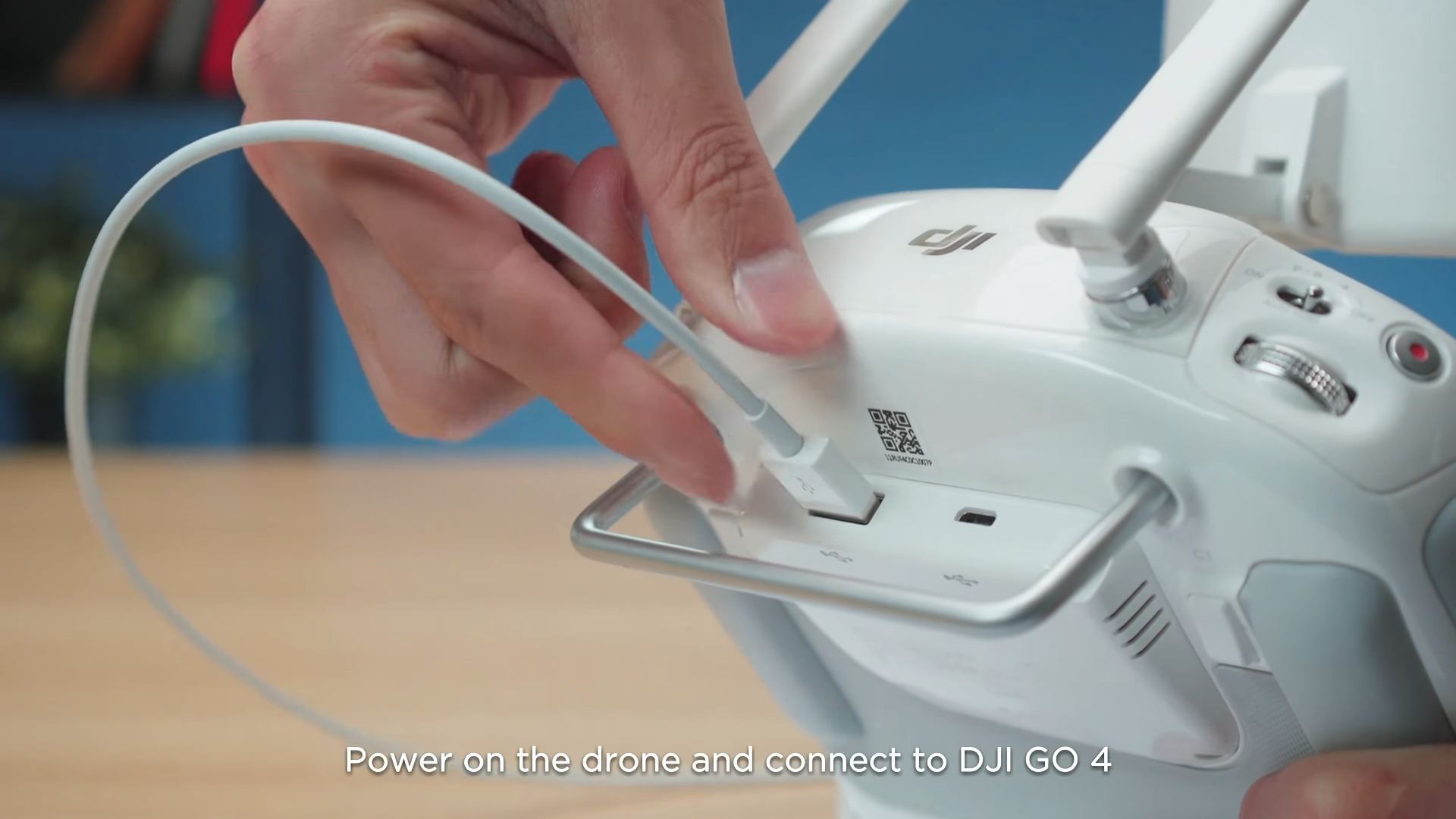
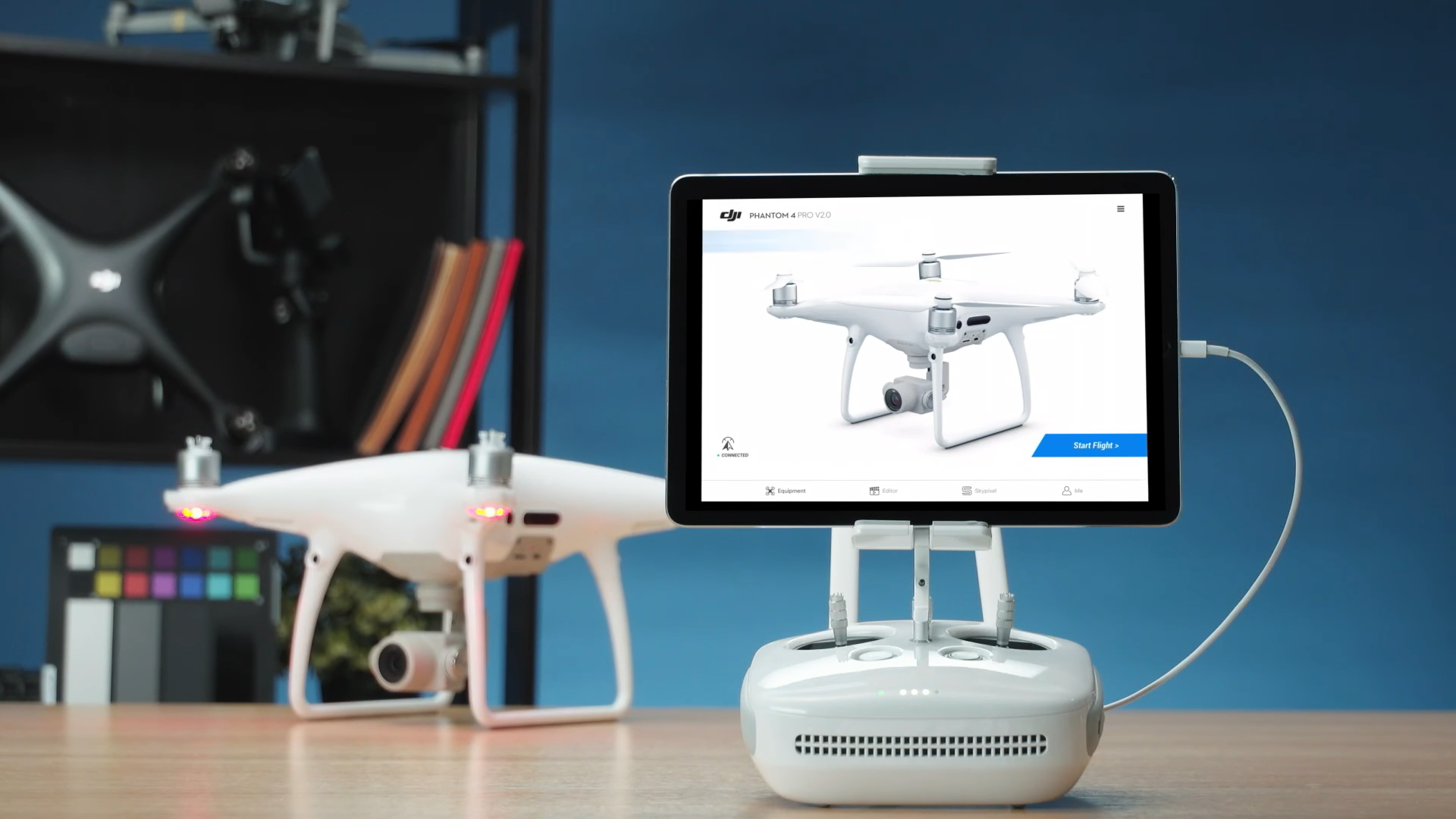
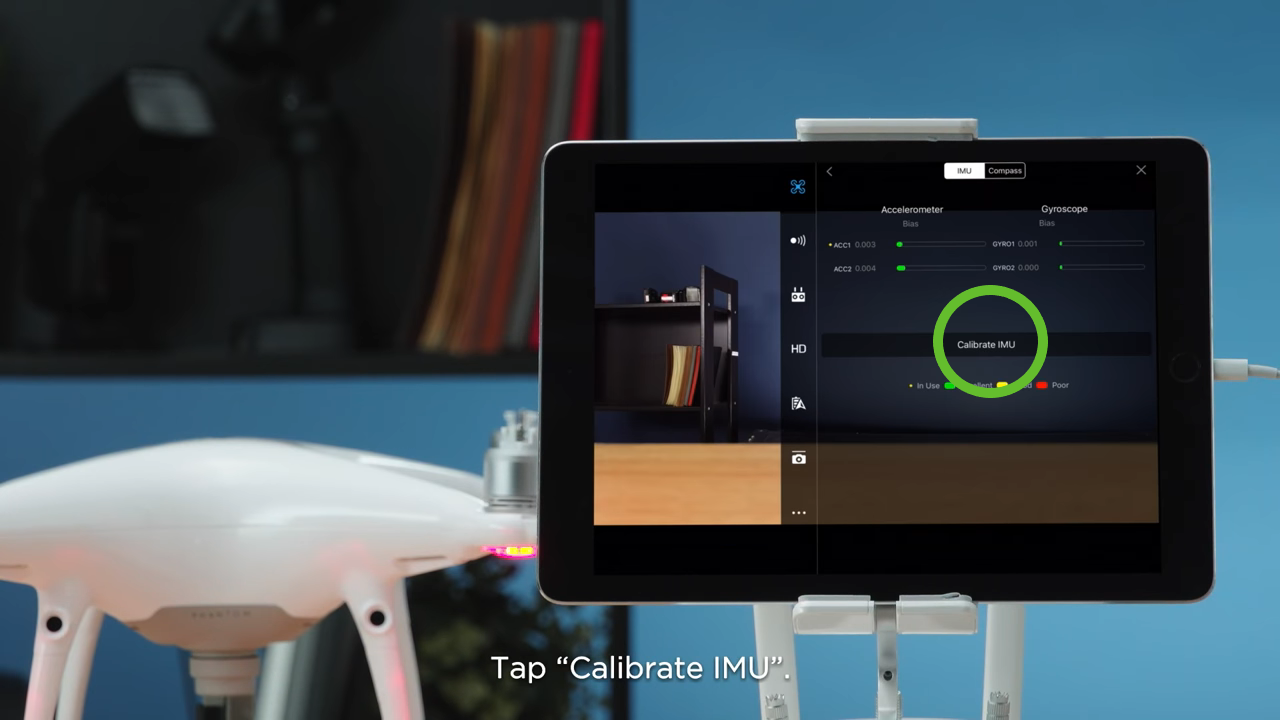
Kalibrasyona başlamadan önce uygulamada doğru drone modelinin göründüğünü ve bağlantının kurulduğunu doğrulayın. Aşağıdaki eski DJI GO 4 ekranları, Phantom 4 RTK için birebir menü talimatı değildir; kendi kumandanızın uygulaması ve resmi kılavuzu esas alın.

  • Kumanda-drone eşleşmesini üreticinin modelinize ait talimatıyla kontrol edin.

OcuSync Transmission System The DJI Phantom 4 Pro V2.0 features a new dual-band OcuSync transmission system, automatically switching between 2.4GHz and 5.8GHz. The controller identifies which frequency has the lowest interference and switch to provide the clearest transmission. The new OcuSync also allows wireless connectivity with the DJI Goggles and Goggles RE and the Phantom 4 Pro V2.0. Removing the restrictions of wires and allowing a reliable connection. DJI Phantom 4 Pro V2.0 Remote Controller The Phantom 4 Pro+ V2.0 remote controller is available with a built-in 5.5” 1080p screen. The ultra-bright screen has a brightness of 1000 cd/m2 increasing usability in direct sunlight. The screen’s brightness is twice as bright as the majority of smartphones and tablets. The remote controller features a microSD card slot, speaker and microphone and an HDMI port. The remote controller has a battery life of up to five hours. Propulsion System The DJI Phantom 4 Pro V2.0 features an all-new quieter propulsion system. Newly designed 9455S propellers and FOC ESC drivers result in a 4dB noise reduction. The sinusoidal current is also improved, increasing the Phantom 4 Pro V2.0’s stability in flight

  • USB kablosunu kalibrasyon için zorunlu bağlantı adımı olarak kabul etmeyin; bağlantı ihtiyacını kumanda kılavuzundan doğrulayın.
OcuSync Transmission System The DJI Phantom 4 Pro V2.0 features a new dual-band OcuSync transmission system, automatically switching between 2.4GHz and 5.8GHz. The controller identifies which frequency has the lowest interference and switch to provide the clearest transmission. The new OcuSync also allows wireless connectivity with the DJI Goggles and Goggles RE and the Phantom 4 Pro V2.0. Removing the restrictions of wires and allowing a reliable connection. DJI Phantom 4 Pro V2.0 Remote Controller The Phantom 4 Pro+ V2.0 remote controller is available with a built-in 5.5” 1080p screen. The ultra-bright screen has a brightness of 1000 cd/m2 increasing usability in direct sunlight. The screen’s brightness is twice as bright as the majority of smartphones and tablets. The remote controller features a microSD card slot, speaker and microphone and an HDMI port. The remote controller has a battery life of up to five hours. Propulsion System The DJI Phantom 4 Pro V2.0 features an all-new quieter propulsion system. Newly designed 9455S propellers and FOC ESC drivers result in a 4dB noise reduction. The sinusoidal current is also improved, increasing the Phantom 4 Pro V2.0’s stability in flight

4. Kumandanızın desteklediği uygulamayı açın.
OcuSync Transmission System The DJI Phantom 4 Pro V2.0 features a new dual-band OcuSync transmission system, automatically switching between 2.4GHz and 5.8GHz. The controller identifies which frequency has the lowest interference and switch to provide the clearest transmission. The new OcuSync also allows wireless connectivity with the DJI Goggles and Goggles RE and the Phantom 4 Pro V2.0. Removing the restrictions of wires and allowing a reliable connection. DJI Phantom 4 Pro V2.0 Remote Controller The Phantom 4 Pro+ V2.0 remote controller is available with a built-in 5.5” 1080p screen. The ultra-bright screen has a brightness of 1000 cd/m2 increasing usability in direct sunlight. The screen’s brightness is twice as bright as the majority of smartphones and tablets. The remote controller features a microSD card slot, speaker and microphone and an HDMI port. The remote controller has a battery life of up to five hours. Propulsion System The DJI Phantom 4 Pro V2.0 features an all-new quieter propulsion system. Newly designed 9455S propellers and FOC ESC drivers result in a 4dB noise reduction. The sinusoidal current is also improved, increasing the Phantom 4 Pro V2.0’s stability in flight

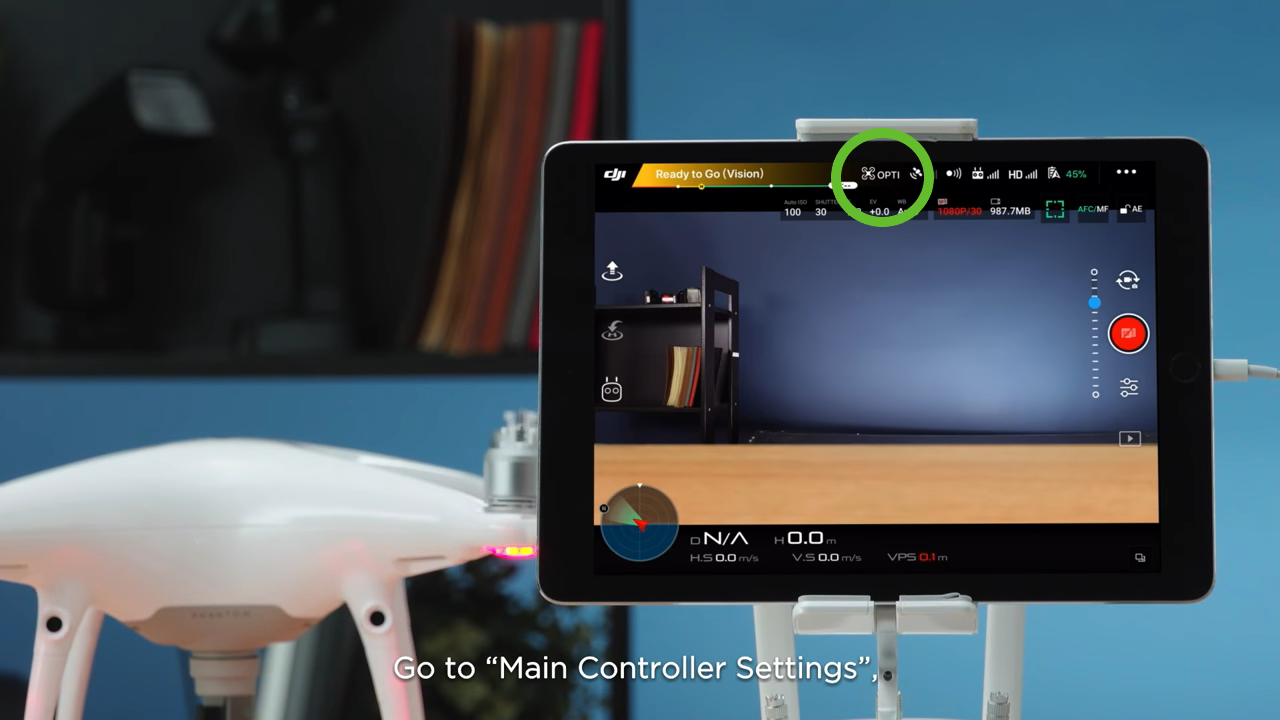
5. Doğru modelin sensör durumunu inceleyin.
Weight with Battery and Propellers Fitted 1391 g Max Service Ceiling Above Sea Level 6000 m (19685 ft) Max Ascent Speed 6 m/s (automatic flight) 5 m/s (manual control) Max Descent Speed 3 m/s Max Speed 31 mph (50 kph) (P-mode) 36 mph (58 kph) (A-mode) Max Flight Time Approximately 30 minutes Operating Temperature 0° to 40° C (32° to 104° F) Operating Frequency 2.400 GHz to 2.483 GHz (Europe, Japan, Korea) 5.725 GHz to 5.850 GHz (United States, China) EIRP 2.4 GHz CE (Europe) / MIC (Japan) / KCC (Korea): < 20 dBm 5.8 GHz FCC (United States) / SRRC (Mainland China) / NCC (Taiwan, China): < 26 dBm Hover Accuracy Range RTK enabled and functioning properly: Vertical: ±0.1 m; Horizontal: ±0.1 m RTK disabled: Vertical: ±0.1 m (with vision positioning); ±0.5 m (with GNSS positioning) Horizontal: ±0.3 m (with vision positioning); ±1.5 m (with GNSS positioning) Image Position Offset The position of the camera center is relative to the phase center of the onboard D-RTK antenna under the aircraft body’s axis: (36, 0, and 192 mm) already applied to the image coordinates in Exif data. The positive x, y, and z axes of the aircraft body point to the forward, rightward, and downward of the aircraft, respectively. GNSS MODULE SPECS Single-Frequency High-Sensitivity GNSS GPS + BeiDou + Galileo* (Asia); GPS + GLONASS + Galileo* (other regions) Multi-Frequency Multi-System High-Precision RTK GNSS Frequency Used GPS: L1/L2; GLONASS: L1/L2; BeiDou: B1/B2; Galileo*: E1/E5 First-Fixed Time: < 50 s Positioning Accuracy: Vertical 1.5 cm + 1 ppm (RMS); Horizontal 1 cm + 1 ppm (RMS) 1 ppm indicates an error with a 1 mm increase over 1 km of movement Velocity Accuracy: 0.03 m/s MAPPING FUNCTIONS SPECIFICATIONS Mapping Accuracy Mapping accuracy meets the requirements of the ASPRS Accuracy Standards for Digital Orthophotos Class III. The actual accuracy depends on surrounding lighting and patterns, aircraft altitude, mapping software used, and other factors when shooting. Ground Sample Distance (GSD) (H/36.5) cm/pixel, H indicates the aircraft altitude relative to the shooting scene (unit: m) Acquisition Efficiency Max operating area of approx. 1 km2 for a single flight (at an altitude of 182 m, i.e., GSD is approx. 5 cm/pixel, meeting the requirements of the ASPRS Accuracy Standards for Digital Orthophotos Class III). PHANTOM 4 RTK GIMBAL SPECIFICATIONS Stabilization 3-axis (pitch, roll, yaw) Controllable Range Pitch: -90° to +30° Max Controllable Angular Speed Pitch: 90°/s Angular Vibration Range ±0.02° VISION SYSTEM Velocity Range ≤ 31 mph (50 kph) at 6.6 ft (2 m) above ground with adequate lighting Altitude Range 0 - 10 m (0 - 33 ft) Operating Range 0 - 10 m (0 - 33 ft) Obstacle Sensory Range 0.7 - 30 m (2 - 98 ft) Field of View Forward/Rear: 60° (horizontal), ±27° (vertical) Downward: 70° (front and rear), 50° (left and right) Measuring Frequency Forward/Rear: 10 Hz Downward: 20 Hz Operating Environmental Conditions Surfaces with clear patterns and adequate lighting (> 15 lux) INFRARED SENSING SYSTEM Obstacle Sensory Range 0.2 - 7 m (0.6 - 23 ft ) Field of View 70°(Horizontal), ±10°(Vertical) Measuring Frequency 10 Hz Operating Environment Surface with diffuse reflection material, and reflectivity > 8% (such as wall, trees, humans, etc.) PHANTOM 4 RTK CAMERA SPECS Sensor 1’’ CMOS; Effective pixels: 20M Lens Specs FOV (Field of View) 84°, 8.8 mm (35 mm format equivalent: 24 mm), f/2.8 - f/11, auto focus at 1 m - ∞ ISO Range Video: 100 - 3200 (Auto), 100 - 6400 (Manual) Photo: 100 - 3200 (Auto), 100 - 12800 (Manual) Mechanical Shutter 8 - 1/2000 s Electronic Shutter 8 - 1/8000 s Max Image Size 4864×3648 (4:3) 5472×3648 (3:2) Still Photography Modes Single shot Video Recording Modes H.264, 4K: 3840×2160 30p Photo Format JPEG Video Format MOV Supported File Systems FAT32 (≤ 32 GB) exFAT (> 32 GB) Supported SD Cards microSD Max Capacity: 128 GB. Write speed ≥15MB/s. Class 10 or UHS-1 rating required Operating Temperature 0° to 40° C (32° to 104° F) PHANTOM 4 RTK REMOTE CONTROLLER SPECS Operating Frequency 2.400 GHz to 2.483 GHz (Europe, Japan, Korea) 5.725 GHz to 5.850 GHz (United States, China) EIRP 2.4 GHz CE / MIC / KCC: < 20 dBm 5.8 GHz FCC / SRRC / NCC: < 26 dBm Max Transmission Distance FCC / NCC: 4.3 mi (7 km) CE / MIC / KCC / SRRC: 3.1 mi (5 km) (Unobstructed, free of interference) Power Consumption 16 W (typical value) Display Device 5.5 inch screen 1920×1080 1000 cd/m2 Android system 4G RAM + 16G ROM Operating Temperature 0° to 40° C (32° to 104° F) PHANTOM 4 RTK BATTERY SPECIFICATIONS Capacity 5870 mAh Voltage 15.2 V Battery Type LiPo 4S Energy 89.2 Wh Net Weight 468 g Operating Temperature -10° to 40° C (14° to 104° F) Max Charging Power 160 W CHARGING HUB SPECS Voltage 17.5 V Operating Temperature 5° to 40° C (41° to 104° F)

6. IMU uyarısını ve üreticinin işlem koşullarını okuyun.

OcuSync Transmission System The DJI Phantom 4 Pro V2.0 features a new dual-band OcuSync transmission system, automatically switching between 2.4GHz and 5.8GHz. The controller identifies which frequency has the lowest interference and switch to provide the clearest transmission. The new OcuSync also allows wireless connectivity with the DJI Goggles and Goggles RE and the Phantom 4 Pro V2.0. Removing the restrictions of wires and allowing a reliable connection. DJI Phantom 4 Pro V2.0 Remote Controller The Phantom 4 Pro+ V2.0 remote controller is available with a built-in 5.5” 1080p screen. The ultra-bright screen has a brightness of 1000 cd/m2 increasing usability in direct sunlight. The screen’s brightness is twice as bright as the majority of smartphones and tablets. The remote controller features a microSD card slot, speaker and microphone and an HDMI port. The remote controller has a battery life of up to five hours. Propulsion System The DJI Phantom 4 Pro V2.0 features an all-new quieter propulsion system. Newly designed 9455S propellers and FOC ESC drivers result in a 4dB noise reduction. The sinusoidal current is also improved, increasing the Phantom 4 Pro V2.0’s stability in flight

7. Kılavuzdaki kalibrasyon bölümünü açın.

Weight with Battery and Propellers Fitted 1391 g Max Service Ceiling Above Sea Level 6000 m (19685 ft) Max Ascent Speed 6 m/s (automatic flight) 5 m/s (manual control) Max Descent Speed 3 m/s Max Speed 31 mph (50 kph) (P-mode) 36 mph (58 kph) (A-mode) Max Flight Time Approximately 30 minutes Operating Temperature 0° to 40° C (32° to 104° F) Operating Frequency 2.400 GHz to 2.483 GHz (Europe, Japan, Korea) 5.725 GHz to 5.850 GHz (United States, China) EIRP 2.4 GHz CE (Europe) / MIC (Japan) / KCC (Korea): < 20 dBm 5.8 GHz FCC (United States) / SRRC (Mainland China) / NCC (Taiwan, China): < 26 dBm Hover Accuracy Range RTK enabled and functioning properly: Vertical: ±0.1 m; Horizontal: ±0.1 m RTK disabled: Vertical: ±0.1 m (with vision positioning); ±0.5 m (with GNSS positioning) Horizontal: ±0.3 m (with vision positioning); ±1.5 m (with GNSS positioning) Image Position Offset The position of the camera center is relative to the phase center of the onboard D-RTK antenna under the aircraft body’s axis: (36, 0, and 192 mm) already applied to the image coordinates in Exif data. The positive x, y, and z axes of the aircraft body point to the forward, rightward, and downward of the aircraft, respectively. GNSS MODULE SPECS Single-Frequency High-Sensitivity GNSS GPS + BeiDou + Galileo* (Asia); GPS + GLONASS + Galileo* (other regions) Multi-Frequency Multi-System High-Precision RTK GNSS Frequency Used GPS: L1/L2; GLONASS: L1/L2; BeiDou: B1/B2; Galileo*: E1/E5 First-Fixed Time: < 50 s Positioning Accuracy: Vertical 1.5 cm + 1 ppm (RMS); Horizontal 1 cm + 1 ppm (RMS) 1 ppm indicates an error with a 1 mm increase over 1 km of movement Velocity Accuracy: 0.03 m/s MAPPING FUNCTIONS SPECIFICATIONS Mapping Accuracy Mapping accuracy meets the requirements of the ASPRS Accuracy Standards for Digital Orthophotos Class III. The actual accuracy depends on surrounding lighting and patterns, aircraft altitude, mapping software used, and other factors when shooting. Ground Sample Distance (GSD) (H/36.5) cm/pixel, H indicates the aircraft altitude relative to the shooting scene (unit: m) Acquisition Efficiency Max operating area of approx. 1 km2 for a single flight (at an altitude of 182 m, i.e., GSD is approx. 5 cm/pixel, meeting the requirements of the ASPRS Accuracy Standards for Digital Orthophotos Class III). PHANTOM 4 RTK GIMBAL SPECIFICATIONS Stabilization 3-axis (pitch, roll, yaw) Controllable Range Pitch: -90° to +30° Max Controllable Angular Speed Pitch: 90°/s Angular Vibration Range ±0.02° VISION SYSTEM Velocity Range ≤ 31 mph (50 kph) at 6.6 ft (2 m) above ground with adequate lighting Altitude Range 0 - 10 m (0 - 33 ft) Operating Range 0 - 10 m (0 - 33 ft) Obstacle Sensory Range 0.7 - 30 m (2 - 98 ft) Field of View Forward/Rear: 60° (horizontal), ±27° (vertical) Downward: 70° (front and rear), 50° (left and right) Measuring Frequency Forward/Rear: 10 Hz Downward: 20 Hz Operating Environmental Conditions Surfaces with clear patterns and adequate lighting (> 15 lux) INFRARED SENSING SYSTEM Obstacle Sensory Range 0.2 - 7 m (0.6 - 23 ft ) Field of View 70°(Horizontal), ±10°(Vertical) Measuring Frequency 10 Hz Operating Environment Surface with diffuse reflection material, and reflectivity > 8% (such as wall, trees, humans, etc.) PHANTOM 4 RTK CAMERA SPECS Sensor 1’’ CMOS; Effective pixels: 20M Lens Specs FOV (Field of View) 84°, 8.8 mm (35 mm format equivalent: 24 mm), f/2.8 - f/11, auto focus at 1 m - ∞ ISO Range Video: 100 - 3200 (Auto), 100 - 6400 (Manual) Photo: 100 - 3200 (Auto), 100 - 12800 (Manual) Mechanical Shutter 8 - 1/2000 s Electronic Shutter 8 - 1/8000 s Max Image Size 4864×3648 (4:3) 5472×3648 (3:2) Still Photography Modes Single shot Video Recording Modes H.264, 4K: 3840×2160 30p Photo Format JPEG Video Format MOV Supported File Systems FAT32 (≤ 32 GB) exFAT (> 32 GB) Supported SD Cards microSD Max Capacity: 128 GB. Write speed ≥15MB/s. Class 10 or UHS-1 rating required Operating Temperature 0° to 40° C (32° to 104° F) PHANTOM 4 RTK REMOTE CONTROLLER SPECS Operating Frequency 2.400 GHz to 2.483 GHz (Europe, Japan, Korea) 5.725 GHz to 5.850 GHz (United States, China) EIRP 2.4 GHz CE / MIC / KCC: < 20 dBm 5.8 GHz FCC / SRRC / NCC: < 26 dBm Max Transmission Distance FCC / NCC: 4.3 mi (7 km) CE / MIC / KCC / SRRC: 3.1 mi (5 km) (Unobstructed, free of interference) Power Consumption 16 W (typical value) Display Device 5.5 inch screen 1920×1080 1000 cd/m2 Android system 4G RAM + 16G ROM Operating Temperature 0° to 40° C (32° to 104° F) PHANTOM 4 RTK BATTERY SPECIFICATIONS Capacity 5870 mAh Voltage 15.2 V Battery Type LiPo 4S Energy 89.2 Wh Net Weight 468 g Operating Temperature -10° to 40° C (14° to 104° F) Max Charging Power 160 W CHARGING HUB SPECS Voltage 17.5 V Operating Temperature 5° to 40° C (41° to 104° F)

8. Yalnızca uygun hazırlık tamamlandıysa IMU kalibrasyonunu başlatın.
Weight with Battery and Propellers Fitted 1391 g Max Service Ceiling Above Sea Level 6000 m (19685 ft) Max Ascent Speed 6 m/s (automatic flight) 5 m/s (manual control) Max Descent Speed 3 m/s Max Speed 31 mph (50 kph) (P-mode) 36 mph (58 kph) (A-mode) Max Flight Time Approximately 30 minutes Operating Temperature 0° to 40° C (32° to 104° F) Operating Frequency 2.400 GHz to 2.483 GHz (Europe, Japan, Korea) 5.725 GHz to 5.850 GHz (United States, China) EIRP 2.4 GHz CE (Europe) / MIC (Japan) / KCC (Korea): < 20 dBm 5.8 GHz FCC (United States) / SRRC (Mainland China) / NCC (Taiwan, China): < 26 dBm Hover Accuracy Range RTK enabled and functioning properly: Vertical: ±0.1 m; Horizontal: ±0.1 m RTK disabled: Vertical: ±0.1 m (with vision positioning); ±0.5 m (with GNSS positioning) Horizontal: ±0.3 m (with vision positioning); ±1.5 m (with GNSS positioning) Image Position Offset The position of the camera center is relative to the phase center of the onboard D-RTK antenna under the aircraft body’s axis: (36, 0, and 192 mm) already applied to the image coordinates in Exif data. The positive x, y, and z axes of the aircraft body point to the forward, rightward, and downward of the aircraft, respectively. GNSS MODULE SPECS Single-Frequency High-Sensitivity GNSS GPS + BeiDou + Galileo* (Asia); GPS + GLONASS + Galileo* (other regions) Multi-Frequency Multi-System High-Precision RTK GNSS Frequency Used GPS: L1/L2; GLONASS: L1/L2; BeiDou: B1/B2; Galileo*: E1/E5 First-Fixed Time: < 50 s Positioning Accuracy: Vertical 1.5 cm + 1 ppm (RMS); Horizontal 1 cm + 1 ppm (RMS) 1 ppm indicates an error with a 1 mm increase over 1 km of movement Velocity Accuracy: 0.03 m/s MAPPING FUNCTIONS SPECIFICATIONS Mapping Accuracy Mapping accuracy meets the requirements of the ASPRS Accuracy Standards for Digital Orthophotos Class III. The actual accuracy depends on surrounding lighting and patterns, aircraft altitude, mapping software used, and other factors when shooting. Ground Sample Distance (GSD) (H/36.5) cm/pixel, H indicates the aircraft altitude relative to the shooting scene (unit: m) Acquisition Efficiency Max operating area of approx. 1 km2 for a single flight (at an altitude of 182 m, i.e., GSD is approx. 5 cm/pixel, meeting the requirements of the ASPRS Accuracy Standards for Digital Orthophotos Class III). PHANTOM 4 RTK GIMBAL SPECIFICATIONS Stabilization 3-axis (pitch, roll, yaw) Controllable Range Pitch: -90° to +30° Max Controllable Angular Speed Pitch: 90°/s Angular Vibration Range ±0.02° VISION SYSTEM Velocity Range ≤ 31 mph (50 kph) at 6.6 ft (2 m) above ground with adequate lighting Altitude Range 0 - 10 m (0 - 33 ft) Operating Range 0 - 10 m (0 - 33 ft) Obstacle Sensory Range 0.7 - 30 m (2 - 98 ft) Field of View Forward/Rear: 60° (horizontal), ±27° (vertical) Downward: 70° (front and rear), 50° (left and right) Measuring Frequency Forward/Rear: 10 Hz Downward: 20 Hz Operating Environmental Conditions Surfaces with clear patterns and adequate lighting (> 15 lux) INFRARED SENSING SYSTEM Obstacle Sensory Range 0.2 - 7 m (0.6 - 23 ft ) Field of View 70°(Horizontal), ±10°(Vertical) Measuring Frequency 10 Hz Operating Environment Surface with diffuse reflection material, and reflectivity > 8% (such as wall, trees, humans, etc.) PHANTOM 4 RTK CAMERA SPECS Sensor 1’’ CMOS; Effective pixels: 20M Lens Specs FOV (Field of View) 84°, 8.8 mm (35 mm format equivalent: 24 mm), f/2.8 - f/11, auto focus at 1 m - ∞ ISO Range Video: 100 - 3200 (Auto), 100 - 6400 (Manual) Photo: 100 - 3200 (Auto), 100 - 12800 (Manual) Mechanical Shutter 8 - 1/2000 s Electronic Shutter 8 - 1/8000 s Max Image Size 4864×3648 (4:3) 5472×3648 (3:2) Still Photography Modes Single shot Video Recording Modes H.264, 4K: 3840×2160 30p Photo Format JPEG Video Format MOV Supported File Systems FAT32 (≤ 32 GB) exFAT (> 32 GB) Supported SD Cards microSD Max Capacity: 128 GB. Write speed ≥15MB/s. Class 10 or UHS-1 rating required Operating Temperature 0° to 40° C (32° to 104° F) PHANTOM 4 RTK REMOTE CONTROLLER SPECS Operating Frequency 2.400 GHz to 2.483 GHz (Europe, Japan, Korea) 5.725 GHz to 5.850 GHz (United States, China) EIRP 2.4 GHz CE / MIC / KCC: < 20 dBm 5.8 GHz FCC / SRRC / NCC: < 26 dBm Max Transmission Distance FCC / NCC: 4.3 mi (7 km) CE / MIC / KCC / SRRC: 3.1 mi (5 km) (Unobstructed, free of interference) Power Consumption 16 W (typical value) Display Device 5.5 inch screen 1920×1080 1000 cd/m2 Android system 4G RAM + 16G ROM Operating Temperature 0° to 40° C (32° to 104° F) PHANTOM 4 RTK BATTERY SPECIFICATIONS Capacity 5870 mAh Voltage 15.2 V Battery Type LiPo 4S Energy 89.2 Wh Net Weight 468 g Operating Temperature -10° to 40° C (14° to 104° F) Max Charging Power 160 W CHARGING HUB SPECS Voltage 17.5 V Operating Temperature 5° to 40° C (41° to 104° F)

9. Uygulamanın gösterdiği konumlandırmayı izleyin.

Weight with Battery and Propellers Fitted 1391 g Max Service Ceiling Above Sea Level 6000 m (19685 ft) Max Ascent Speed 6 m/s (automatic flight) 5 m/s (manual control) Max Descent Speed 3 m/s Max Speed 31 mph (50 kph) (P-mode) 36 mph (58 kph) (A-mode) Max Flight Time Approximately 30 minutes Operating Temperature 0° to 40° C (32° to 104° F) Operating Frequency 2.400 GHz to 2.483 GHz (Europe, Japan, Korea) 5.725 GHz to 5.850 GHz (United States, China) EIRP 2.4 GHz CE (Europe) / MIC (Japan) / KCC (Korea): < 20 dBm 5.8 GHz FCC (United States) / SRRC (Mainland China) / NCC (Taiwan, China): < 26 dBm Hover Accuracy Range RTK enabled and functioning properly: Vertical: ±0.1 m; Horizontal: ±0.1 m RTK disabled: Vertical: ±0.1 m (with vision positioning); ±0.5 m (with GNSS positioning) Horizontal: ±0.3 m (with vision positioning); ±1.5 m (with GNSS positioning) Image Position Offset The position of the camera center is relative to the phase center of the onboard D-RTK antenna under the aircraft body’s axis: (36, 0, and 192 mm) already applied to the image coordinates in Exif data. The positive x, y, and z axes of the aircraft body point to the forward, rightward, and downward of the aircraft, respectively. GNSS MODULE SPECS Single-Frequency High-Sensitivity GNSS GPS + BeiDou + Galileo* (Asia); GPS + GLONASS + Galileo* (other regions) Multi-Frequency Multi-System High-Precision RTK GNSS Frequency Used GPS: L1/L2; GLONASS: L1/L2; BeiDou: B1/B2; Galileo*: E1/E5 First-Fixed Time: < 50 s Positioning Accuracy: Vertical 1.5 cm + 1 ppm (RMS); Horizontal 1 cm + 1 ppm (RMS) 1 ppm indicates an error with a 1 mm increase over 1 km of movement Velocity Accuracy: 0.03 m/s MAPPING FUNCTIONS SPECIFICATIONS Mapping Accuracy Mapping accuracy meets the requirements of the ASPRS Accuracy Standards for Digital Orthophotos Class III. The actual accuracy depends on surrounding lighting and patterns, aircraft altitude, mapping software used, and other factors when shooting. Ground Sample Distance (GSD) (H/36.5) cm/pixel, H indicates the aircraft altitude relative to the shooting scene (unit: m) Acquisition Efficiency Max operating area of approx. 1 km2 for a single flight (at an altitude of 182 m, i.e., GSD is approx. 5 cm/pixel, meeting the requirements of the ASPRS Accuracy Standards for Digital Orthophotos Class III). PHANTOM 4 RTK GIMBAL SPECIFICATIONS Stabilization 3-axis (pitch, roll, yaw) Controllable Range Pitch: -90° to +30° Max Controllable Angular Speed Pitch: 90°/s Angular Vibration Range ±0.02° VISION SYSTEM Velocity Range ≤ 31 mph (50 kph) at 6.6 ft (2 m) above ground with adequate lighting Altitude Range 0 - 10 m (0 - 33 ft) Operating Range 0 - 10 m (0 - 33 ft) Obstacle Sensory Range 0.7 - 30 m (2 - 98 ft) Field of View Forward/Rear: 60° (horizontal), ±27° (vertical) Downward: 70° (front and rear), 50° (left and right) Measuring Frequency Forward/Rear: 10 Hz Downward: 20 Hz Operating Environmental Conditions Surfaces with clear patterns and adequate lighting (> 15 lux) INFRARED SENSING SYSTEM Obstacle Sensory Range 0.2 - 7 m (0.6 - 23 ft ) Field of View 70°(Horizontal), ±10°(Vertical) Measuring Frequency 10 Hz Operating Environment Surface with diffuse reflection material, and reflectivity > 8% (such as wall, trees, humans, etc.) PHANTOM 4 RTK CAMERA SPECS Sensor 1’’ CMOS; Effective pixels: 20M Lens Specs FOV (Field of View) 84°, 8.8 mm (35 mm format equivalent: 24 mm), f/2.8 - f/11, auto focus at 1 m - ∞ ISO Range Video: 100 - 3200 (Auto), 100 - 6400 (Manual) Photo: 100 - 3200 (Auto), 100 - 12800 (Manual) Mechanical Shutter 8 - 1/2000 s Electronic Shutter 8 - 1/8000 s Max Image Size 4864×3648 (4:3) 5472×3648 (3:2) Still Photography Modes Single shot Video Recording Modes H.264, 4K: 3840×2160 30p Photo Format JPEG Video Format MOV Supported File Systems FAT32 (≤ 32 GB) exFAT (> 32 GB) Supported SD Cards microSD Max Capacity: 128 GB. Write speed ≥15MB/s. Class 10 or UHS-1 rating required Operating Temperature 0° to 40° C (32° to 104° F) PHANTOM 4 RTK REMOTE CONTROLLER SPECS Operating Frequency 2.400 GHz to 2.483 GHz (Europe, Japan, Korea) 5.725 GHz to 5.850 GHz (United States, China) EIRP 2.4 GHz CE / MIC / KCC: < 20 dBm 5.8 GHz FCC / SRRC / NCC: < 26 dBm Max Transmission Distance FCC / NCC: 4.3 mi (7 km) CE / MIC / KCC / SRRC: 3.1 mi (5 km) (Unobstructed, free of interference) Power Consumption 16 W (typical value) Display Device 5.5 inch screen 1920×1080 1000 cd/m2 Android system 4G RAM + 16G ROM Operating Temperature 0° to 40° C (32° to 104° F) PHANTOM 4 RTK BATTERY SPECIFICATIONS Capacity 5870 mAh Voltage 15.2 V Battery Type LiPo 4S Energy 89.2 Wh Net Weight 468 g Operating Temperature -10° to 40° C (14° to 104° F) Max Charging Power 160 W CHARGING HUB SPECS Voltage 17.5 V Operating Temperature 5° to 40° C (41° to 104° F)

Kalibrasyon sırasında cihazı yalnızca uygulamanın istediği sırada ve yönde hareket ettirin.

10. Her aşamanın tamamlanmasını bekleyin.

OcuSync Transmission System The DJI Phantom 4 Pro V2.0 features a new dual-band OcuSync transmission system, automatically switching between 2.4GHz and 5.8GHz. The controller identifies which frequency has the lowest interference and switch to provide the clearest transmission. The new OcuSync also allows wireless connectivity with the DJI Goggles and Goggles RE and the Phantom 4 Pro V2.0. Removing the restrictions of wires and allowing a reliable connection. DJI Phantom 4 Pro V2.0 Remote Controller The Phantom 4 Pro+ V2.0 remote controller is available with a built-in 5.5” 1080p screen. The ultra-bright screen has a brightness of 1000 cd/m2 increasing usability in direct sunlight. The screen’s brightness is twice as bright as the majority of smartphones and tablets. The remote controller features a microSD card slot, speaker and microphone and an HDMI port. The remote controller has a battery life of up to five hours. Propulsion System The DJI Phantom 4 Pro V2.0 features an all-new quieter propulsion system. Newly designed 9455S propellers and FOC ESC drivers result in a 4dB noise reduction. The sinusoidal current is also improved, increasing the Phantom 4 Pro V2.0’s stability in flight

Uygulama bir hata verirse uyarının ekran görüntüsünü kaydedin; işlemi zorlamayın.

11. Tamamlanma mesajını ve sensör durumunu kontrol edin.

OcuSync Transmission System The DJI Phantom 4 Pro V2.0 features a new dual-band OcuSync transmission system, automatically switching between 2.4GHz and 5.8GHz. The controller identifies which frequency has the lowest interference and switch to provide the clearest transmission. The new OcuSync also allows wireless connectivity with the DJI Goggles and Goggles RE and the Phantom 4 Pro V2.0. Removing the restrictions of wires and allowing a reliable connection. DJI Phantom 4 Pro V2.0 Remote Controller The Phantom 4 Pro+ V2.0 remote controller is available with a built-in 5.5” 1080p screen. The ultra-bright screen has a brightness of 1000 cd/m2 increasing usability in direct sunlight. The screen’s brightness is twice as bright as the majority of smartphones and tablets. The remote controller features a microSD card slot, speaker and microphone and an HDMI port. The remote controller has a battery life of up to five hours. Propulsion System The DJI Phantom 4 Pro V2.0 features an all-new quieter propulsion system. Newly designed 9455S propellers and FOC ESC drivers result in a 4dB noise reduction. The sinusoidal current is also improved, increasing the Phantom 4 Pro V2.0’s stability in flight

İşlem sonunda yeniden başlatma isteniyorsa kılavuzdaki adımı uygulayın. Kalibrasyon başarısızsa uçuşa geçmeyin.

Kalibrasyonun tamamlanması tek başına tüm donanımın sağlam olduğunu kanıtlamaz.

Göreve başlamadan önce kalan tüm uyarıları ve modelin uçuş öncesi kontrol listesini değerlendirin.

Destek isterken Phantom 4 RTK modelini, kumanda türünü, uygulama ve yazılım sürümünü, hata ekranını ve varsa darbe geçmişini paylaşın. Servisimiz inceleme için yardımcı olabilir.

Aşağıdaki video ve görsellerdeki model ile uygulama sürümünü kendi cihazınızla karşılaştırın; farklı modeldeki menüleri Phantom 4 RTK’ye doğrudan uygulamayın. 

Yorum bırakın

E-posta adresiniz yayınlanmayacak. Gerekli alanlar * ile işaretlenmişlerdir

Scroll to Top
Call Now Button